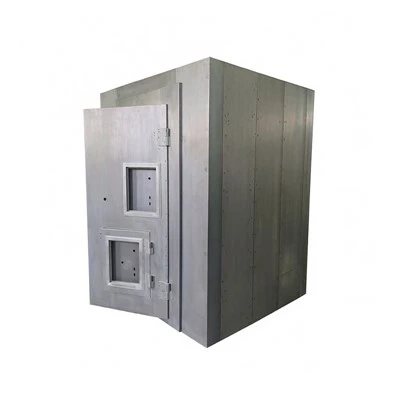
If you’ve ever walked past a bank or a commercial property with a sturdy, metal-walled cash vault peeking through a side entrance, you’ve probably wondered two things: How secure is it really? And, just as importantly, would it hold up if water suddenly rushes in? As a supplier of cash vaults, I get this question all the time—from bank managers worried about basement flooding to small business owners weighing whether a new vault can survive a pipe burst or heavy rainfall. The short answer is yes, most cash vaults are designed to be waterproof—but the details are what separate a vault that’s built to weather a storm from one that’ll leave you counting water-damaged bills long after the water recedes. Let’s break this down, straight from the team that designs and builds these vaults for businesses every day.

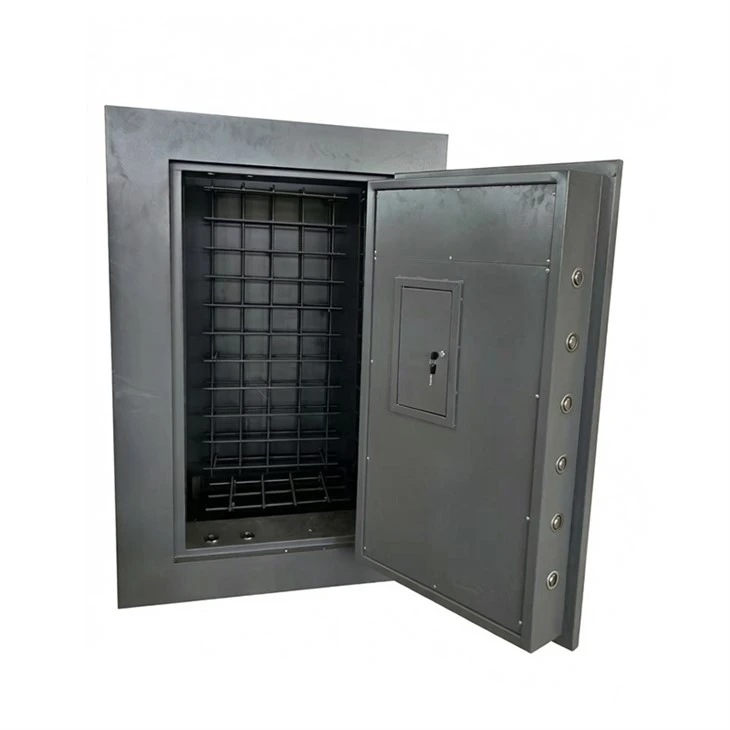
First, it helps to understand what a cash vault’s core job actually is. Sure, preventing theft is non-negotiable, but protecting the contents from environmental damage runs a close second. Cash, checks, and sensitive financial documents are not just paper—they’re assets that can lose 100% of their value if soaked. A single inch of standing water can turn stacks of $100 bills into a mushy, unidentifiable pulp within hours, not days. That’s why waterproofing isn’t an afterthought in vault design; it’s a primary engineering requirement.
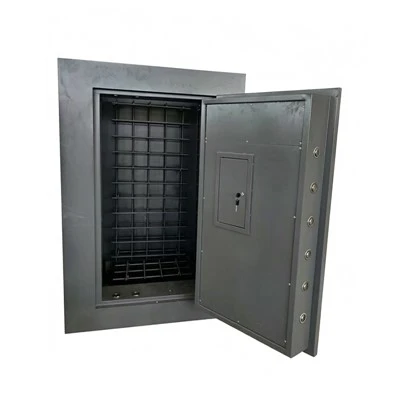
Let’s start with the two main types of vaults we supply, because their waterproofing approaches differ based on their use case. Our Modular Bank Vault is built for quick installation in spaces where you can’t modify a building’s foundation—think a retail bank adding a vault to a new branch without months of construction. Our Fixed Bank Vault is custom-built into a building’s structure, often in basements or ground-floor spaces where water risk is highest.
The Modular Bank Vault, which you can learn more about here, is a prefabricated unit made from heavy-gauge steel panels that lock together at the seams. The key here is the seals between those panels. Unlike a basic metal storage unit, the seams aren’t just welded—they’re fitted with high-grade EPDM rubber gaskets, the same material used in boat hulls and swimming pool liners, because it resists temperature changes, UV damage, and water penetration better than any other common seal material. When the panels are bolted together, we torque the bolts to a precise specification—too loose, and there’s a gap; too tight, and the gasket compresses unevenly, creating a weak spot. We test every modular vault at our factory before shipping: we submerge it in a 10-foot deep tank of water for 24 hours, then open it up to check for any moisture inside. In our 12 years of building these vaults, we’ve only ever had one fail that test, and that was due to a gasket that was misaligned during shipping—we fixed that with a revised packaging process, not a design change.
But modular vaults have their limits, especially when it comes to very high water pressure. A fixed vault, which you can explore here, is built directly into the building’s structure, so we can integrate waterproofing that’s tailored to the space’s specific flood risk. For example, if a bank is in a 100-year flood zone (a designation for areas that face severe flooding roughly once every century), we add a secondary waterproofing layer: a poured concrete barrier around the steel vault, reinforced with steel rebar, that’s rated to withstand hydrostatic pressure up to 15 PSI—enough to hold back 30 feet of standing water. That concrete isn’t just regular concrete, either; we mix in a crystalline additive that reacts with water to seal tiny cracks as they form over time, so the barrier stays waterproof for decades, even if the building shifts slightly due to soil settling.
Even with these heavy-duty materials, there are common mistakes that make vaults waterproof in theory but not in practice. One big one is neglecting door seals. A vault door is usually the weakest point in any waterproofing system, because it has to open and close easily for authorized personnel, so the seal has to be flexible enough to make a tight fit every time. We use a continuous rubber gasket around the entire door frame, but we also add a secondary compression seal that engages when the door is locked—when you turn the handle, it pushes the door tight against the frame, compressing both the main gasket and the secondary seal to eliminate even the tiniest gap. Some cheaper vault suppliers skip this secondary seal to cut costs, and they’ll start leaking the first time someone slams the door or the temperature drops, causing the rubber to shrink.
Another mistake is poor drainage around the vault, especially for underground fixed vaults. Even if the vault itself is waterproof, water can pool in the space directly in front of the door and seep in through the gap between the door and the floor. That’s why we always work with our customers’ contractors to install a French drain around the vault’s exterior—an underground pipe filled with gravel that redirects water away from the vault’s door—plus a sump pump inside the vault that activates if any water does get in. The sump pump is a failsafe, not a primary waterproofing measure, but it’s saved more than a few customers from disaster over the years: one small business client in Florida had a pipe burst in the ceiling of their vault, and the sump pump pumped out 50 gallons of water before anyone even noticed, so their cash and documents were completely unharmed.
Of course, no vault is completely waterproof—at least not if we’re talking about withstanding a 100-year flood that’s 20 feet deep and lasts for days. But that’s not a realistic expectation for most businesses. The goal is to build a vault that can handle the risks it’s actually likely to face: a burst pipe, heavy rain that pools around the building, a broken sump pump in the basement, or even a fire department dousing a blaze nearby. For context, our standard vaults are tested to withstand water pressure from up to 10 feet of standing water for 72 hours without any moisture entering the interior. That’s more than enough for 99% of commercial spaces, including retail banks, convenience stores, and independent credit unions.
I’ll be honest with you: early in our business, we made a mistake with a customer who had a vault installed in a basement with no French drain. They were in an area that got heavy seasonal rains, and one year, the ground around their basement sat saturated for two weeks. Water seeped through the foundation and into the small gap between the concrete vault frame and the building’s concrete floor—even though the vault itself was perfectly sealed. We learned a lesson that day: waterproofing starts before the vault is even installed, with site preparation, not just materials inside the vault. Now, we include a full site assessment as part of every quote, checking the building’s elevation, local flood zone maps, and existing drainage, to make sure our vault is built to fit the space’s specific risks.
Another factor many people don’t consider is long-term durability. Rubber gaskets break down over time from exposure to extreme temperatures, oil, and even dust. That’s why we use gaskets that are rated for 20 years of continuous use, but we also recommend a yearly maintenance check: a technician comes out to inspect the gaskets for cracks or wear, cleans them with a mild soap (no harsh chemicals, which can eat away at the rubber), and lubricates them with a silicone-based spray to keep them flexible. Skipping that yearly check is the most common reason vaults start leaking after a few years—and it’s totally preventable.
Wait, what about cash that’s already inside the vault when water gets in? We always advise our customers to have a response plan, even if their vault is waterproof. Storing desiccants (moisture-absorbing packets, the same ones you get in new shoes) inside the vault is a simple, cheap way to catch any small amount of humidity that gets in. We also recommend leaving a small gap between stacks of cash and the floor of the vault—even just two inches—so if any water does get past all the seals, it’s not sitting directly on the bills. For our modular vaults, which are often installed above ground, we also offer optional venting systems that circulate dry air inside the vault when it’s not in use, preventing condensation from forming on the metal walls (condensation is a big, often overlooked cause of water damage to cash over time—more so than small amounts of surface water).
I know what some of you are thinking: why not just build a vault that’s waterproof to 20 feet? Because that adds thousands of dollars to the cost, for a risk that most businesses will never face. For example, a small convenience store in a strip mall is never going to have 20 feet of water rushing through their front door. Spending extra on a super high-pressure waterproof vault is a waste of money for them. That’s why we design our vaults to be tailored to the customer’s needs, not a one-size-fits-all solution. Our Modular Bank Vault is perfect for businesses that need speed and flexibility, with waterproofing that meets or exceeds industry standards for typical water risks. Our Fixed Bank Vault is better for long-term installations, where we can build in extra waterproofing if the space is in a high-flood zone or has other unique risks.
Let me wrap this up with a real example to put this in perspective. Last year, a community bank in Louisiana called us after a severe hurricane caused 8 feet of flooding in their basement, where their Fixed Bank Vault was installed. The concrete barrier we built around the vault held strong for 48 hours, until the water receded, and the interior of the vault had zero moisture. The only damage they had was to a few old loan documents that had been stored in a cardboard box leaning against the vault door (we now advise against storing any materials in cardboard inside the vault, because cardboard absorbs moisture). The bank was able to reopen within a week, no lost cash, no long delays—all because the vault was built with proper waterproofing, site preparation, and regular maintenance.
At the end of the day, cash vaults are designed to protect assets, and waterproofing is non-negotiable for that protection. It’s not just about avoiding a mess after a storm—it’s about keeping your business running, even when the unexpected happens. If you’re in the market for a cash vault, whether you’re a small business owner looking for a unit to keep daily deposits secure or a bank manager needing a custom solution, we can help you assess your specific risks and pick the right vault for your needs. Don’t wait for a pipe burst or a flood to realize your vault isn’t as waterproof as it should be—reach out to our team to discuss your cash storage needs and get a quote tailored to your space.
References:
- National Fire Protection Association. (2021). Standard for Installation of Static Storage Battery Systems. Quincy, MA: National Fire Protection Association.
- International Code Council. (2022). International Building Code: Flood-Resistant Design and Construction. Country Club Hills, IL: International Code Council.
- American Society for Testing and Materials. (2020). Standard Test Method for Water Penetration of Vault Doors and Panels. West Conshohocken, PA: ASTM International.
- Rubber Manufacturers Association. (2019). EPDM Rubber Gasket Performance Standards for Water-Resistant Enclosures. Washington, DC: Rubber Manufacturers Association.