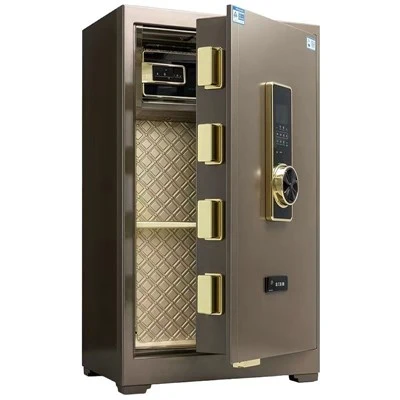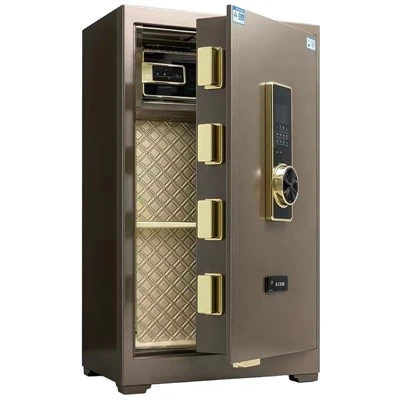
When I started as a Fireproof Security Safe supplier three years ago, the question I heard more than any other was, “Can I just use that regular metal safe I’ve had for 10 years to store important papers?” I get it—people accumulate stuff over time, and old safes take up space in closets or offices. They think, “It locks, so it should work, right?” But after working with thousands of customers who’ve dealt with lost deeds, destroyed wills, or damaged tax documents, I’m here to break down the science, the risks, and the real answer to that question. Let’s cut through the confusion.
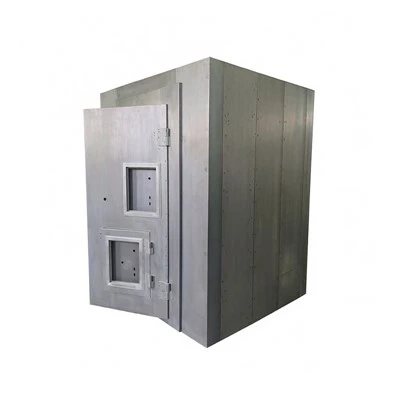
First, let’s define what we mean by a “regular safe.” Most people call any heavy, lockable metal box a safe. But in the security world, regular safes (often called “utility safes” or “gun safes without fire ratings”) are built for one thing: keeping things from being stolen. Their steel might be thick, their locks might resist prying, but that’s where the design stops. Fireproof Security Safe models, on the other hand, are engineered to handle extreme heat— the kind you’d never expect in a home or office fire. That difference isn’t a marketing trick; it’s rooted in basic fire chemistry.
Let’s talk about why paper turns to ash in a fire. The ignition point for office paper is around 451 degrees Fahrenheit—you’ve probably heard that term, and it’s accurate. But most home fires don’t just reach 451°F. They peak at 1,000 to 2,000°F, and that temperature spike happens fast—often in less than 15 minutes. Here’s the kicker: even if your regular safe stays below 451°F for a while, most aren’t insulated. They’re just a solid metal shell. Metal conducts heat like crazy. When a fire hits, the outside of your regular safe will heat up quickly, and that heat will transfer straight through to the inside. I’ve seen this firsthand with a customer who used an old utility safe to store his business licenses. His office caught fire, and by the time the fire department put it out, the papers inside were charred black—even though the safe’s lock was still intact. The metal shell didn’t block the heat; it trapped it, turning the safe into an oven for his documents.
You might be thinking, “My safe has a combination lock, so it’s tough enough.” Let’s look at mechanical combination safes, which are a step up from basic utility safes but still not fireproof. A quality Mechanical Combination Safe is great for resisting theft—you can’t just pick the lock easily, and it won’t fall apart if someone hits it with a sledgehammer. But again, no fire insulation means no fire protection. I had another customer who stored his mother’s will in a mechanical safe in his basement. A pipe burst upstairs, but before the water damage happened, the basement caught fire when a space heater overheated. The combination lock worked, but the papers were soggy from condensation inside the overheated metal, then stuck together and crumbled when he tried to pull them out. That’s not a theft issue—it’s a heat and moisture issue that regular safes can’t solve.
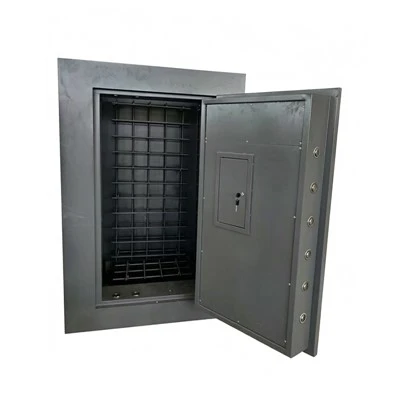
Now, I know what some of you are thinking: “What about waterproof security safes? Do those work as a substitute?” Waterproof safes are awesome for flood risks—they keep water out when there’s a burst pipe or a storm, but their insulation is designed for water, not heat. The seals that keep water out can break down at high temperatures, letting hot air and soot inside. I once helped a customer whose basement flooded and then had a small electrical fire. He’d used a waterproof safe to store his tax returns, thinking it was double-protected. The flood part worked—no water got in—but the heat warped the safe’s seal, and the papers were smoke-damaged beyond repair. Waterproof is for water; fireproof is for fire. They’re different types of protection, built for different threats.
Let’s also talk about the small, hidden factors that regular safes don’t account for. Humidity. Temperature fluctuations in a regular safe can make important papers—birth certificates, passports, property deeds—fade over time, even without a fire. Those metal boxes don’t have humidity control, so moisture can get trapped inside, leading to mold or paper degradation. A Home Security Safe that’s fire-rated will usually have small vents or insulation that regulates humidity, which is another layer of protection for long-term storage. I see this with customers who keep important family documents for decades in regular safes—by the time they go to pull them out, the ink is faded, and the paper is brittle enough to tear just by touching it. That’s not a disaster, but it’s a preventable loss.

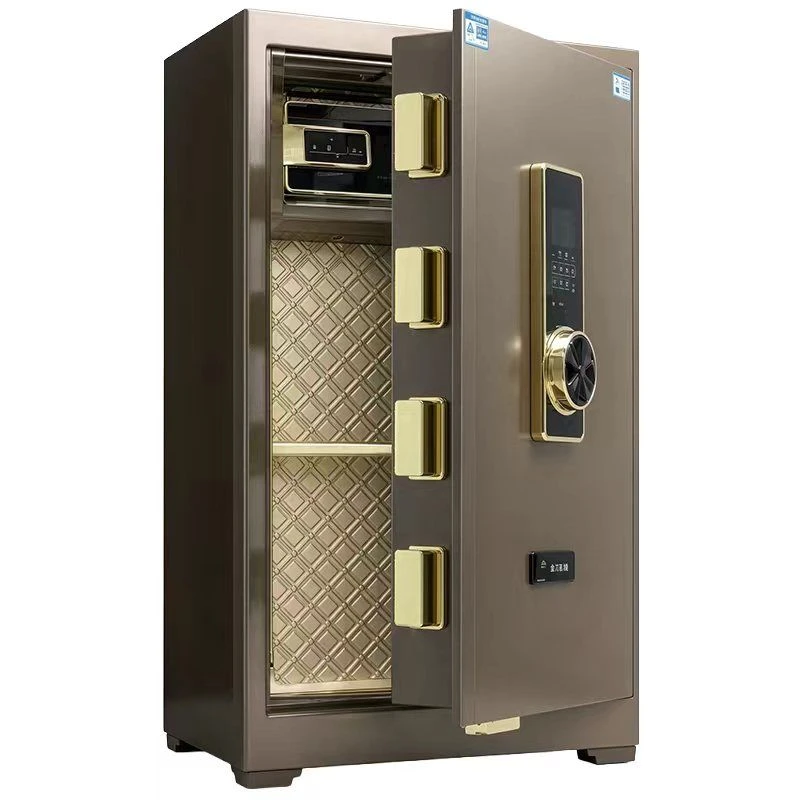
The counterpoint here isn’t that regular safes are useless. They’re great for storing extra blankets, tools, or seasonal items that don’t matter if they get damaged. But when it comes to important papers—documents that are impossible or a nightmare to replace—you need a safe that’s built specifically to handle the two biggest threats: fire and theft. That’s why our Fireproof Security Safe line is designed with dual layers: a thick steel exterior to resist prying and drilling, and a core made of ceramic fiber insulation that can withstand temperatures up to 1,700°F for 60 minutes or more. That insulation slows heat transfer so dramatically that the inside of the safe stays below 350°F—way below the paper ignition point—even during a house fire.
You might also be wondering about budget. A lot of customers assume fireproof safes are way more expensive than regular ones, but that’s not true. For the peace of mind of protecting documents you can’t replace, the difference is minimal, especially when you compare it to the cost of replacing a lost deed, redoing a will, or dealing with a tax agency over destroyed records. We also carry Fingerprint Security Safe models, which combine fire protection with quick, easy access—perfect for when you need to grab a passport or birth certificate in a hurry without fumbling with a combination. That’s a bonus regular safes can’t offer, since their locks are slower to open, especially in an emergency.
Let me share one last story that sums this up. A few months ago, a small business owner came to me after a kitchen fire at her café. She’d kept all her business licenses, permits, and employee records in a regular safe under the counter. When the fire was put out, the safe was barely scratched, but when she opened it, all the papers were gone—turn to ash in 10 minutes of high heat. She had to apply for new licenses, which took weeks of paperwork and cost thousands in lost revenue. If she’d had a Fireproof Security Safe, those papers would have been intact, and she could have reopened her café without the delay. That’s the difference between a safe that locks and a safe that protects.
So, to answer the original question: No, you should not store important papers in a regular safe if it’s not fireproof. The risks—heat damage, moisture damage, paper degradation—are too high, and the science of heat transfer proves that regular safes don’t block enough heat to save critical documents. The investment in a fireproof safe is small compared to the cost and stress of replacing lost or destroyed important papers.
If you’re ready to protect your deeds, wills, tax returns, and other vital documents, we have a range of secure options for every home or office. Our Fireproof Security Safe line is built to handle extreme heat and theft, and we also carry models like the Mechanical Combination Safe for those who prefer a traditional lock, the Fingerprint Security Safe for quick access, and the Waterproof Security Safe for flood-prone areas. To discuss which safe is right for your specific needs, reach out to our team today. We’ll walk you through the features, answer your questions, and help you find the perfect balance of protection and convenience. Don’t wait until a fire or flood happens—protect what matters now.
REFERENCES
- National Fire Protection Association. (2022). Home Structure Fires: U.S. Fire Statistics.
- Library of Congress. (2021). Preservation of Paper Documents: Environmental Risks and Solutions.
- Underwriters Laboratories (UL). (2020). Standard for Fire Resistance of Safes and Security Containers.
- Federal Emergency Management Agency (FEMA). (2023). Disaster Preparedness for Home Offices: Protecting Vital Records.