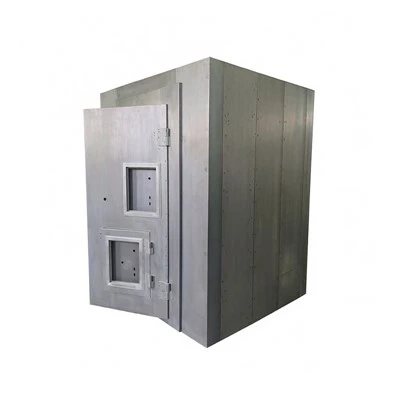
If you’ve ever shopped for a commercial security safe, whether for your office, retail space, or small business, you’ve probably asked yourself one key question: Can I actually customize the interior to fit my specific needs? As a commercial security safe supplier, I hear this question at least a few times a week—and the short answer is a resounding “yes.” But the long answer? It’s about how customization works, why it matters for business, and how to make sure you’re getting a solution that’s both secure and practical. Let’s break it down.
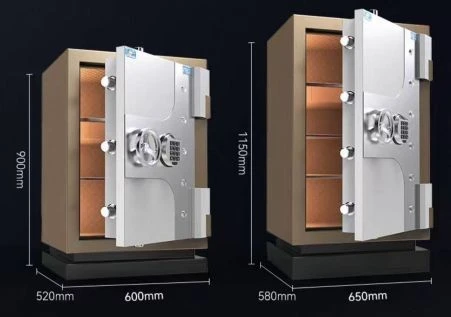
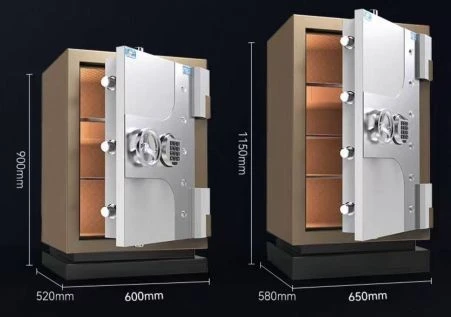
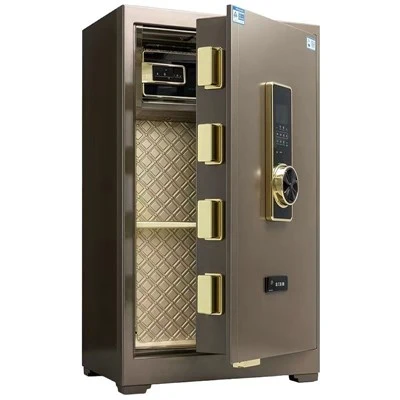
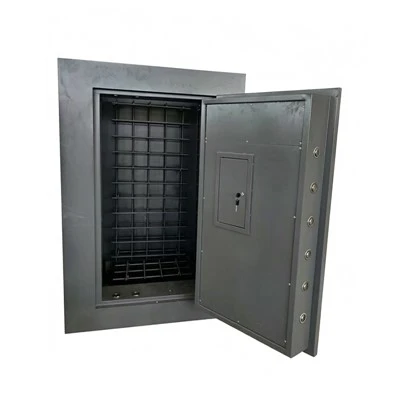
First, it’s important to clarify what “interior customization” actually means for a commercial safe. Unlike basic home security safe models that come with one-size-fits-all compartments, commercial safes are designed to hold high-value, varied inventory: cash, sensitive documents, jewelry, electronics, pharmaceuticals, or small tools. A one-size interior might leave you with wasted space, hard-to-reach items, or even security gaps if something is loose and rattling around during transport or a break-in.
Let’s start with the core reason customization is non-negotiable for most businesses. If you run a retail store, for example, you might need a dedicated slot for your daily cash deposit bags, a separate compartment for store credit cards, and a locking drawer for high-value items like designer watches or small electronics. An office manager might need space for binders of client contracts, a fireproof security safe for digital hard drives, and a hidden slot for company check stock. A pharmacy needs a locked, organized space for controlled substances—something a standard safe can’t accommodate without internal modifications. This is where a quality commercial security safe shines: it’s built to be adjusted, not just off-the-shelf.
Now, let’s talk about how the customization process works, from a supplier’s perspective. When a customer reaches out to us asking for interior tweaks, our first step is to listen closely to their specific use case. We don’t just throw pre-made shelves at them—we ask questions: What exactly are you storing? How often do you access items? Do you need to lock certain compartments separately? Will the safe be installed in a tight space where size or orientation matters?
For example, a local bakery owner recently came to us complaining that their original safe was too big for their back office, and the interior was a jumble of loose cash bags and coupon books that would fall out when they opened the door. We adjusted the internal dimensions of their compact commercial security safe to fit smaller, stackable bins for cash, added a small sliding shelf for coupon books, and even installed a magnetic strip to hold their daily log sheet in place—all without compromising the safe’s fireproof or waterproof security ratings. That last part is key: customization can’t weaken the safe’s structural integrity, its fire resistance, or its locking mechanism.
Let’s address a common myth: some people think custom interiors mean paying exorbitant fees or waiting weeks longer for delivery. While complex custom designs (like multiple locking compartments for high-security items) do take slightly more time, most modifications are simple, cost-effective adjustments that don’t add much to the overall price tag. Even better, many of our commercial security safe models come with modular interior components that you can adjust yourself, if you don’t want to work with a supplier. For example, removable shelves, adjustable dividers, and small locking drawers that slide into pre-cut slots—all of which are easy to rearrange as your business needs change.
Of course, not all customizations are created equal. There are certain modifications that we, as security professionals, advise against. For example, drilling extra holes in the safe’s outer metal shell—while that might seem like an easy way to add a shelf, it can weaken the safe’s steel structure, create small gaps that fire or water can seep through, and even provide a starting point for a thief to pry the safe open. We always emphasize that any interior changes should be done by the manufacturer or a certified technician to maintain the safe’s warranty and security certifications.
To give you a sense of the range of custom interiors we regularly design, let’s look at a few common scenarios:
- Cash-intensive businesses: We create dedicated slots for cash drawers, coin trays, and tamper-proof deposit bags, often with separate locking compartments for different shift deposits. Some clients even ask for a small, hidden compartment for their daily night drop key, so it’s not mixed in with regular cash.
- Legal/medical offices: Sensitive client contracts, patient records, or prescription pads need both organizational structure and extra security. We add padded, lined compartments to prevent damage to paper documents, and optional combination locks on small interior drawers for highly confidential items.
- Retail jewelry stores: High-value pieces need individual, locked slots to prevent mix-ups or theft. We design custom-sized velvet-lined holders for rings, necklaces, and watches, with separate locking mechanisms so only the store manager has access to the most valuable items.
- Tech companies: External hard drives, backup servers, and sensitive client data devices need a space that’s both fireproof (which all our fireproof security safes already include) and organized so you can quickly grab a backup if there’s an emergency. We add adjustable dividers and padded slots to keep hard drives from shifting and getting damaged.
It’s also worth mentioning how customization differs between safe types. For example, a mechanical combination safe—one that uses a dial instead of an electronic keypad—has slightly different internal design constraints than an electronic safe, but that doesn’t mean you can’t adjust it. We’ve added custom trays and dividers to mechanical safes, ensuring the dial mechanism isn’t blocked, so you still get the same reliable security while fitting your storage needs. For businesses that prefer the durability of mechanical locks over electronic ones, this is a great middle ground.
What about home security safe models? Wait, you might be wondering—this is a blog about commercial safes, but for small business owners who work from home or need a secondary safe for their home office, those home security safe models also offer basic customization. They’re smaller, so adjustments are simpler, like adding a small lock box for personal items next to your business documents. But for true bulk, high-value commercial storage, the commercial security safe line is where you’ll find the most robust customization options.
We also get asked if it’s possible to modify an existing safe, not just a new one. The short answer: sometimes, but it depends on the safe’s age and construction. If you have an older safe that’s still structurally sound, we can often adjust the interior, add new compartments, or even reinforce areas to improve security. However, if the safe is very old or has already been damaged, it might not be worth modifying—replacing it with a new, custom commercial security safe is often more cost-effective in the long run, especially since new safes come with modern security ratings (like fireproof and waterproof ratings) that older models might lack.
One mistake we see businesses make is waiting too long to customize their safe. They buy a basic model when they first open, then as their business grows, they outgrow the interior space and start shoving items in haphazardly. This not only makes it hard to access what you need quickly, but it can also lead to security risks—like valuable items being left on top of the safe, or documents falling out when the door opens. Customizing your safe at the time of purchase ensures it grows with your business, so you don’t have to invest in a new safe every few years.
Let’s talk about a recent example that stuck with me. A small accounting firm reached out six months after buying a standard commercial security safe. They were storing client tax returns in binders, but the binders were too wide for the interior, so they had to stack them on their office shelf, which wasn’t secure. We modified their existing safe’s interior to fit 2-inch binders, added small slots for their client check stubs, and even lined the interior with fire-resistant fabric to protect paper documents from high temperatures. The whole process took a few days, and they were able to keep using the same safe—just a better version of it.
Now, if you’re considering customizing your commercial security safe, here are a few tips to keep in mind:
- Plan ahead: Think about what you’ll be storing now and what you might need to store in the next 1-2 years. That way, you don’t have to re-customize your safe too soon.
- Work with a reputable supplier: As a supplier, we always advise against third-party modifications, because they can void your safe’s warranty and security certifications.
- Prioritize security over organization: It’s easy to get caught up in adding every little compartment, but make sure the core security features (lock, fireproof, waterproof ratings) aren’t sacrificed.
- Ask about modular options: If you’re on a budget, modular interiors are a great way to adjust as your needs change without paying for a full custom design.
At the end of the day, the best commercial security safe isn’t just the one with the highest fire rating or the toughest lock—it’s the one that fits your business exactly. A safe that’s full of loose items or hard to use isn’t providing the security you need, because you might be tempted to leave it unlocked or store high-value items somewhere else. Customizing the interior is a simple way to make your safe work for you, not against you.
If you’re ready to explore your options, our commercial security safe line offers a range of standard and customizable solutions to fit every business. We also have specialized models like mechanical combination safes for those who prefer traditional locking systems, fireproof security safes for businesses in high-risk areas, and waterproof security safes for spaces prone to flooding. To learn more and discuss your specific needs, reach out to our team to coordinate a consultation. We’ll walk you through every step, so you get a safe that’s secure, organized, and built just for your business.
References
- National Fire Protection Association. (2022). Standard for Fire Tests of Door Assemblies. NFPA 252.
- Underwriters Laboratories. (2023). Standard for Security for Commercial Safes. UL 687.
- Safe Manufacturers Association. (2021). Guide to Customizing Commercial Safe Interiors. SMA Technical Bulletin 12.