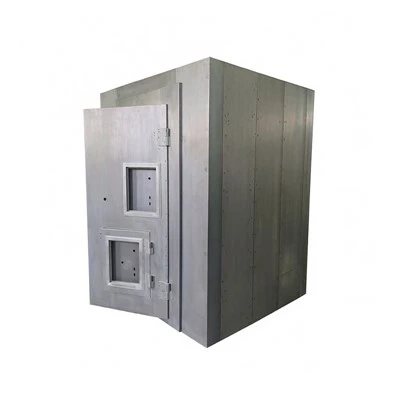
If you run an office—whether it’s a tiny 2-person startup, a mid-sized marketing firm, or a busy corporate branch—you’ve probably stared at a stack of sensitive docs, client files, or even a petty cash box and thought, “Where do I put this so it doesn’t disappear or get ruined?” I’ve been in the commercial security safe game for years, and let me tell you: picking the right safe isn’t just about locking something in a metal box. It’s about matching it to your specific office chaos, not just grabbing the first big, heavy thing you see. Let’s break down what actually works for office use, no sales fluff, just real talk from someone who’s seen way too many offices make the wrong choice.
First, let’s get one thing straight: not all safes are created equal. A safe for a 3-bed home is totally different from one that needs to hold payroll checks, legal contracts, or a company’s backup hard drives. I’ve seen small startups buy a cheap home safe thinking it’ll do—until a pipe burst in their office and ruined all their tax docs, or an employee lost the key and fried the lock trying to get it open. That’s why narrowing down your office’s needs first is non-negotiable.
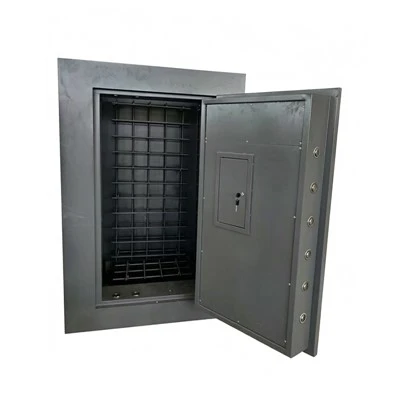
Let’s start with the big three threats every office faces: fire, water, and theft. If your office is in an old building with creaky electrical wiring, or you’re in a flood-prone area (like a ground-floor space near a river or parking garage), you need a safe that can handle those natural disasters. Wait, you don’t have to pick between fire and water these days—there are safes that do both. For example, our [Fireproof Security Safe] isn’t just fire-resistant; it’s tested to hold temps up to 1700°F for 2 hours, which is standard for most office fires (think wiring shorting or a copy room mishap). But if water is a bigger risk for you—like if your office is in a flood zone or has had leaks before—our [Waterproof Security Safe] is made to keep water out even if it’s submerged for 24 hours. That’s a game-changer for offices that store digital backups on DVDs or external drives—nothing kills a year of work faster than soaked hardware.
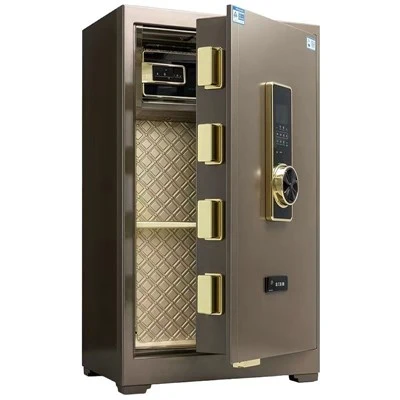
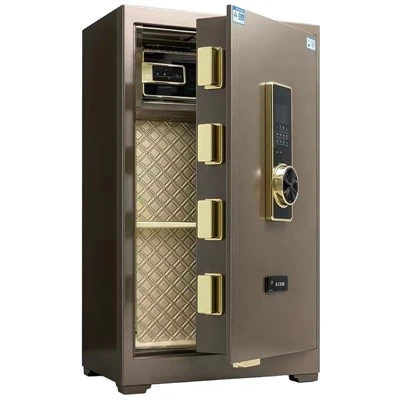
Theft is the other huge one, obviously. But office theft isn’t just break-ins from strangers—it’s internal stuff too. An employee grabbing cash for lunch and not putting it back, or someone leaving with confidential client info. So the lock type matters a lot here. I’ve had clients come to me because their old safe’s key got duplicated without them knowing, or a thief used a simple screwdriver to jimmy a basic dial lock. That’s why electronic locks or biometric options are way better for offices. Our [Fingerprint Security Safe] is perfect here—no keys to lose or copy, just scan a fingerprint to open it. You can set up multiple prints for managers, so you control who has access. That’s huge for mid-sized offices where you don’t want every staff member poking around payroll files. And if you’re worried about tech failing, don’t be—these safes have a manual override key too, so you never get locked out if the battery dies.
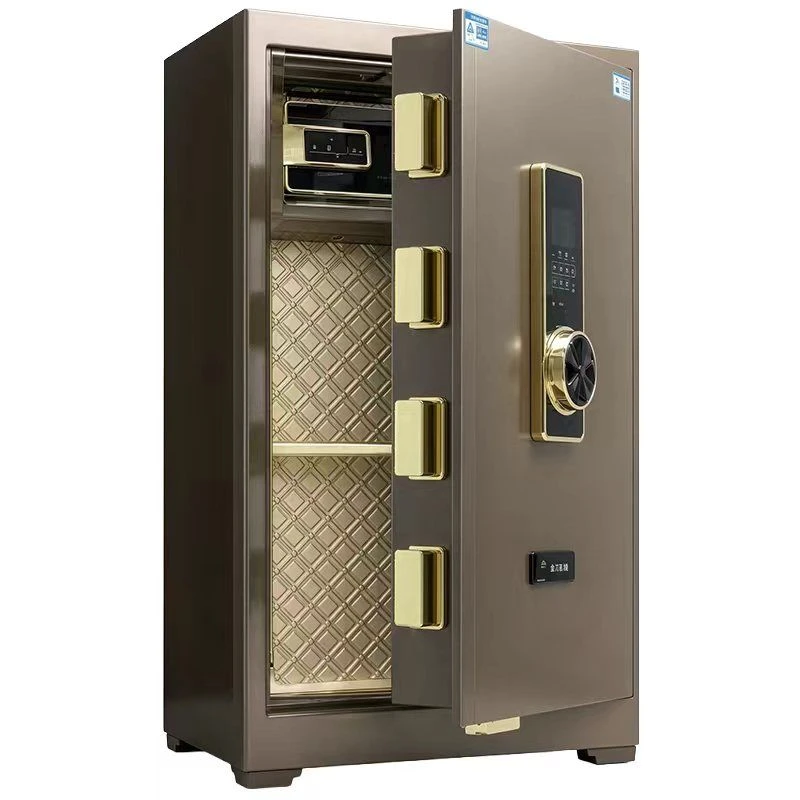
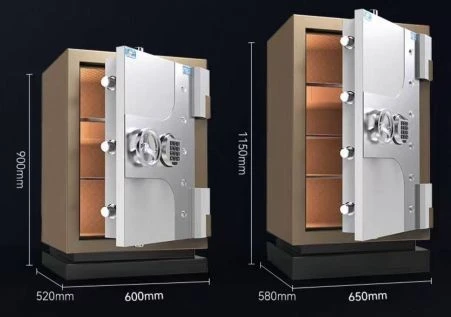
Wait, but what about the size? So many offices either go too small or too big. If you’re a 2-person startup with just a few client contracts and a petty cash box, you don’t need a 500-pound safe that takes up half the office. You’ll waste space and pay for something you don’t need. On the flip side, a tiny safe will fill up in 6 months, and then you’re left hiding extra docs under your desk. Let’s be real—desks are for working, not stashing sensitive stuff. For small offices, our [Electronic Safe Box] is compact enough to fit under a desk or in a storage closet, big enough to hold all your regular office valuables, and has a solid electronic lock to keep prying eyes out. For larger offices, we have bigger models that hold filing cabinets full of docs, so you don’t have to choose between security and storage.
Another thing people sleep on: installation and weight. A lot of cheap safes are light enough to just pick up and walk off with. That’s not a safe—that’s a metal box. Good office safes need to be bolted to the floor or a wall, right? Because if a thief can roll it out a door, your security is zero. I always tell clients to budget for professional installation—even a few extra bucks to bolt it down is way cheaper than replacing all your lost stuff. And for heavy safes, make sure your office floor can handle the weight. A standard office floor is fine for most medium safes, but if you’re in an old building with wood floors, you might want to double-check with a handyman first.
Let’s also talk about common office use cases to make this more concrete. If you’re a law firm, you need to keep case files, client confidentiality agreements, and maybe even small amounts of cash for court fees. A fingerprint safe would let you give access only to the legal team, and fire protection will keep those files safe if the office catches fire. If you’re a retail office with a POS system and daily cash deposits, a waterproof safe might not be your top pick—you want something with quick access, like our electronic safe, so the manager can grab the deposit bag and run to the bank without fumbling with keys. And if you work in an area that’s prone to extreme weather (like hurricanes or wildfires), going for a combined fire and water safe is worth the extra cost—you’ll thank yourself when you don’t have to re-do all your work after a disaster.
Wait, I should also address a common mistake: “Oh, but I can just hide my files in a locked desk drawer.” No, a desk lock is for office supplies, not sensitive data. Desk drawers aren’t bolted, a thief can pop them open in 10 seconds, and if there’s a fire or flood, those files are gone. A real safe is a separate, fortified unit—there’s a reason banks use them. And don’t get tricked by “home security” stuff, either. I see offices buying our [Home Security Safe] all the time thinking it’s the same as a commercial one, but home safes are thinner, lighter, and don’t have the same fire/water testing. Commercial safes are built to handle more heavy use, more frequent access, and higher-stakes stuff—like payroll, client data, and legal records. That’s not a spot to cut corners.
Now, how do you actually pick the right one for your office? Start with a quick audit. What are you storing? Payroll? Client contracts? Backup drives? Cash? How big is that stuff? Do you have issues with water or fire in your office? How many people need access? That audit will narrow it down fast. If you’re still stuck, just reach out—we don’t push the most expensive safe, we push the one that fits your exact needs.
I’ve been doing this for years, and the worst calls I get are from offices that waited too long to get a real safe, or bought the wrong one. A small startup in a flood zone once told me their home safe turned all their tax docs to mush. A retail place bought a cheap key-safe and an employee duplicated the key and stole $2,000 in cash. These are avoidable mistakes. The best commercial safe for your office isn’t the fanciest or the priciest—it’s the one that addresses your specific risks, fits the space you have, and lets you control who gets in.
If you’re ready to stop gambling with your office’s sensitive stuff, let’s chat. No pressure, just honest advice on what will work for your team. Don’t wait until a disaster hits—prep now so you can focus on growing your business, not recovering from something that could’ve been prevented.
References
- National Fire Protection Association. (2021). Standard for Fire Tests of Safe Containers (NFPA 250). Quincy, MA: Author.
- Underwriters Laboratories. (2022). UL 687 Standard for Safety for Safes, Vault Doors, and Storage Containers. Northbrook, IL: Author.
- Insurance Information Institute. (2023). Commercial Property Security: Safes and Risk Mitigation. New York, NY: Author.
- Occupational Safety and Health Administration. (2021). Workplace Security Guidelines for Small Businesses. Washington, DC: U.S. Department of Labor.
- Federal Emergency Management Agency. (2022). Flood Preparedness for Small Businesses. Washington, DC: Author.