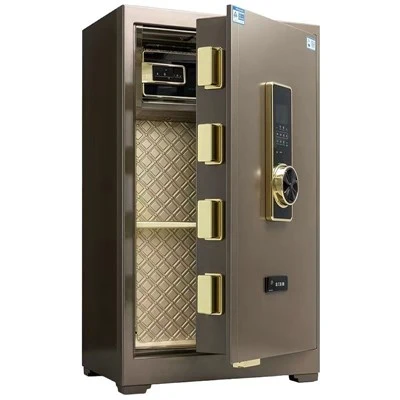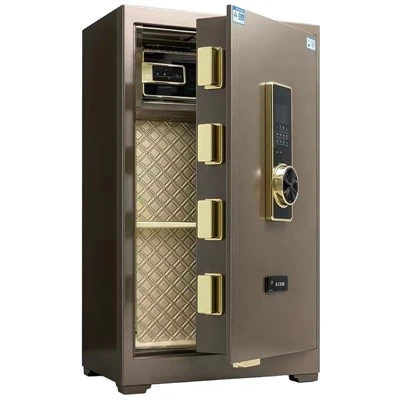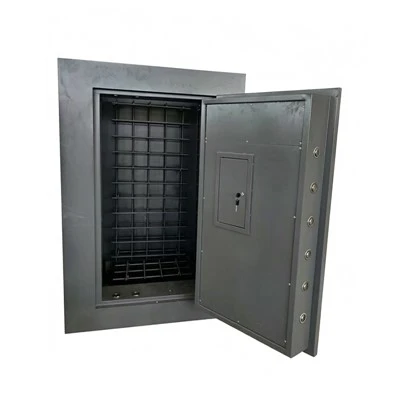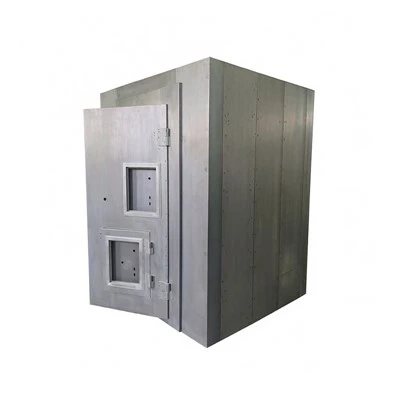
Hey guys, let’s cut to the chase: I get this question every single day working as a commercial security safe supplier—can I put a commercial safe on a second floor? Like, I’ve had a café owner panic because their new Commercial Security Safe showed up and now they’re staring at their second-floor break room, wondering if the floor’s gonna cave, or if the safe’ll get damaged, or if it’s even worth the hassle. Let’s break this down like we’re chatting over coffee—not some stuffy engineering manual.
First off, stop thinking that second floors are some death trap for heavy safes. I’ve installed hundreds of these, and the only time I’ve ever seen a floor issue is when someone cut corners on basic checks. Let’s start with the big one: floor load capacity. Every building’s floors have a “dead load” and “live load” rating. Dead load is the weight of the floor itself, the walls, the beams—stuff that’s always there. Live load is the extra stuff you put on it: desks, people, safes, fridges. For most modern commercial buildings, the live load is at least 40 pounds per square foot (psf), sometimes up to 100 psf for offices or retail spaces. Wait, so how much does a commercial safe weigh? A typical mid-sized one is like 500–1,000 pounds, and a big high-security model? 2,000+ pounds. Let’s do the math: a 1,000-pound safe takes up like 5 square feet. Divide that, and you’re at 200 psf—wait, that’s double a standard office load. But hold up—most of the time, that weight’s not sitting on a single small spot. Safe manufacturers engineer safes to distribute weight across their entire base, not just the edges. And if you set it on the right kind of floor (like concrete over wood, or solid wood subfloor with no sag), that weight spreads out way more than you think. I had a dentist client last year who put a 1,200-pound Commercial Security Safe on his second floor—his building was a 1990s strip mall with a 60 psf live load. We did a quick check with a cheap floor jack (don’t try this at home without a pro) and realized the beams under that second floor were extra reinforced, probably because the original plan was for more storage. No issues at all. The key here is: don’t guess. Grab your building plans (they’re usually in the property office or a digital file if you bought it new) and look for the live load rating. If you can’t find them, call a local structural engineer—most will do a quick check for like $150, and that’s way cheaper than replacing a safe or fixing a floor.
Next up: getting the safe onto the second floor. This is where most people mess up. A commercial safe isn’t a toaster you can carry up a flight of stairs. I’ve seen guys try to hoist a 1,000-pound safe up a main staircase, only to scrape the handrail and crack a wall. That’s not just a headache—those dents can weaken the safe’s exterior, which is bad for security, and the cracked wall is a fire hazard. The right way? Measure everything before delivery. The safe’s width, depth, height, and the narrowest point in your stairwell, hallway, landing, and elevator (if you have one). If the safe’s too big for the stairs? Don’t risk forcing it. Most suppliers (including us) offer custom rigging—we use heavy-duty straps and a small crane to hoist it through a window or balcony door. I had a boutique clothing store in Brooklyn a few months back whose second-floor office had a super narrow staircase—we hoisted their Commercial Security Safe through a back window in 20 minutes, no damage, no drama. Also, if you’re going the stair route, take all furniture and boxes out of the way, and maybe lay down some moving blankets so you don’t scuff floors. Pro tip: hire moving guys who specialize in heavy safes—not just random movers. They know how to balance the safe, carry it at the right angle, and navigate tight spaces.
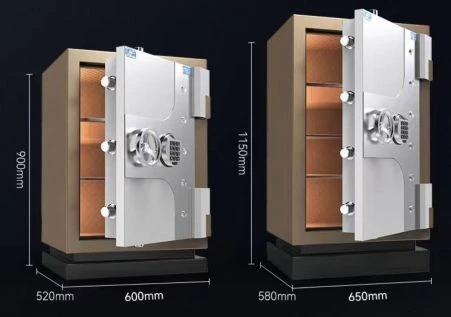
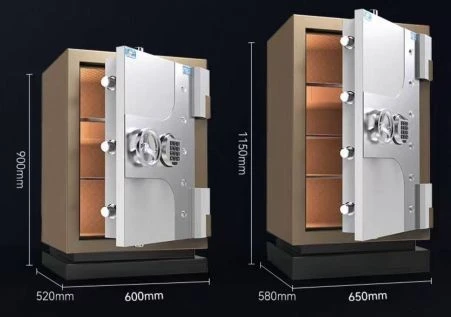
Then there’s the “will the safe work if I put it on a second floor?” part. Wait, do you mean security? Because that’s what most people actually care about. Putting a Commercial Security Safe on a second floor doesn’t make it less secure—thieves don’t skip floors because a safe’s heavy. But hold up, a lot of people mix up “commercial safe” with a home safe. Let’s clarify: we make both Home Security Safe and commercial ones. The commercial models are built for bigger loads, more fire resistance, and heavier drill-resistant locks. So if you need something for cash, valuable documents, or high-end inventory, a commercial safe on the second floor is totally fine, as long as you anchor it. Oh right—anchoring! This is non-negotiable for any safe, regardless of floor. Anchor it to the floor so it can’t be dragged away. For second floors, you’ll use longer bolts—usually 3/8-inch or 1/2-inch diameter, 6–12 inches long, depending on the floor. Don’t just anchor to the subfloor—anchor to the floor joists. That’s where the real strength is. If your floor is concrete, you’ll need a concrete drill bit and sleeve anchors. If it’s wood, you’ll find the joists (use a stud finder) and drill straight into them. Anchoring keeps thieves from tipping the safe over or carrying it out in a cart, which is the most common way people steal safes. I’ve never had a client who anchored their safe and had it tampered with that way, so trust me on this.
Wait, what about other types of safes? Like, if you’re thinking of a smaller Electronic Safe Box for a retail shop’s second-floor office? That’s even easier. Those are way lighter—usually 50–200 pounds. You can probably carry that yourself, no problem. Just make sure to anchor it too, obviously. And if you need something for water damage? We sell Waterproof Security Safe models too, which work just as well on a second floor as anywhere else. One thing I did notice: people sometimes worry about fire. Most commercial safes have a fire rating that’s based on time (like 1 hour or 2 hours) regardless of where you put it, right? Because the fire rating is about how well it holds in heat, not the floor it’s on. So if there’s a fire on the first floor, your second-floor safe is still safe, and vice versa. That’s a relief.
Now, let’s talk about when you shouldn’t put a commercial safe on a second floor. Like, if your building is super old—pre-1950s, maybe? Those buildings have way lower live load ratings, sometimes 20 psf. A 1,000-pound safe there would be 500 psf per square foot, which is way over. Or if your floor has obvious sagging—like if you stand in the middle and it feels springy, or there are cracks in the ceiling below. That’s a sign the floor isn’t structurally sound, so no matter what, don’t put a heavy safe there. Also, if the stairs are way too steep or have sharp turns that make carrying the safe impossible without damaging the building or the safe, that’s when you call for window rigging instead of forcing it.
Wait, I know someone’s gonna ask: “Can I put a fingerprint safe on the second floor too?” Oh, great question—we have those too, called Fingerprint Security Safe models, and those work exactly the same way. The fingerprint sensor is battery-powered, so as long as you have power (but most have backup batteries if you don’t), it doesn’t matter where it is. I installed one at a real estate office last month on their second floor—they store key sets and contract originals there, and they haven’t had any issues with it since. It’s super convenient, no more fumbling with keys or codes, and it’s just as secure as a regular commercial safe.
Here’s a quick checklist to make sure you’re doing this right, step by step: 1. Get the floor’s live load rating (from plans or a structural engineer). 2. Measure every opening the safe needs to fit through (stairwell, elevator, landing). 3. Hire a professional heavy safe mover—do not do this yourself with a friend. 4. Anchor the safe to the floor joists (or concrete) with the right bolts. 5. If it doesn’t fit through the stairs, ask your supplier about rigging through a window. 6. Double-check that whatever safe you pick (whether Commercial Security Safe, Home Security Safe, Electronic Safe Box, Waterproof Security Safe, or Fingerprint Security Safe) is built for your needs (cash, documents, inventory, etc.).
I’ve been in the safe game for 12 years, and the most common mistake people make is overcomplicating this. A second floor is totally fine—you just have to do the basic checks, not cut corners on moving or anchoring, and pick the right safe for your use. Thieves aren’t gonna skip your second floor because there’s a heavy safe there, so the security part is the same as if it were on the ground floor. The only real risks are floor load and getting the safe up there without messing things up.
If you’re still on the fence, or you need help picking the right safe for your second-floor space, hit us up to talk through your needs. We’ve got a team that can answer questions, help with measurements, and even connect you with local pro movers if you need. No pressure, just straightforward advice— that’s how we do things around here.
References
- National Fire Protection Association. (2022). Standard for Safes, Vault Doors, and Security Containers (NFPA 250). Quincy, MA: National Fire Protection Association.
- International Code Council. (2021). International Building Code (IBC) Section 1607: Loads. Country Club Hills, IL: International Code Council.
- Structural Engineers Association. (2020). Guide to Floor Load Capacity Assessment for Commercial and Residential Buildings. Sacramento, CA: Structural Engineers Association of California.
- Underwriters Laboratories. (2023). Standard for Fire Resistance of Safes and Vaults (UL 1037). Northbrook, IL: Underwriters Laboratories Inc.