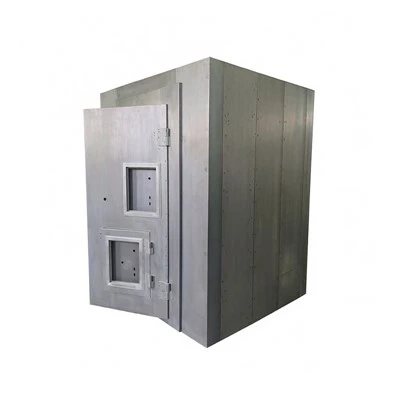
If you’re running a retail store, I don’t have to tell you how much is on the line when it comes to keeping your business secure. Whether it’s daily cash deposits, high-value electronics, customer data, or inventory records, a break-in or even a single small mistake (like a small fire or leaky pipe) can derail weeks of hard work. I’ve been in the commercial security safe game for over a decade, working with everything from boutique shops to big-box retailers, and one question comes up all the time: What’s actually the best commercial security safe for retail stores? Let’s cut through the marketing hype and break this down like I would for a store owner who’s juggling schedules, payroll, and a million other things.
First off, let’s get one thing straight: a commercial safe isn’t the same as a safe you’d keep in your garage or your home. I see store owners make this mistake all the time—they grab a cheap Home Security Safe off Amazon because it looks similar, and then wonder why it won’t hold up when someone pries at the door or when a small electrical fire breaks out in the back storage room. Retail stores have specific risks: foot traffic means more potential for opportunistic theft, regular cash handling means you need quick access during the day, and a lot of shops are in older buildings where plumbing issues (like a broken overhead pipe) aren’t unheard of. That’s why a generic safe just won’t cut it—you need something built for the unique chaos of retail.
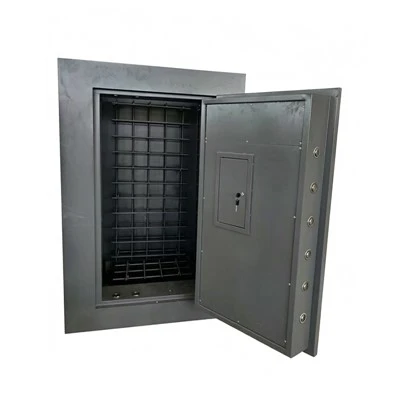
Let’s start with the non-negotiable features, because if your safe doesn’t have these, it doesn’t matter how pretty it looks. First, UL ratings. I know, it sounds like more industry jargon, but it’s non-negotiable. For commercial use, you want a UL-listed safe—specifically, UL Residential Security Container (RSC) or higher, like UL Tool Resistant (TR) or UL Burglary Resistant (BR). RSC safes can stand up to basic prying and picking for about 5 minutes, which is enough to stop most amateur thieves. But if you’re storing high-value stuff (like high-end designer goods or a big week’s cash deposit), go for TR or BR. These take 15+ minutes to break into with common tools, which is a huge deterrent—most thieves will move on to an easier target before that.
Next, fire resistance. Retail stores are at risk for fires—whether it’s a faulty cash register, overloaded outlets in the stock room, or even a neighbor’s fire spreading. A regular safe that’s just metal won’t do much here. I always recommend a Fireproof Security Safe for retail, and here’s why: most good commercial fireproof safes are rated to survive 1 hour at 1700°F (that’s the temperature of a typical house or store fire) and keep the inside temperature low enough to protect paper, digital media, and even small electronics. I once had a client whose store had a small grease fire in the kitchen area (they sell artisanal sandwiches alongside merch) and their fireproof safe held up perfectly—all the daily cash deposits, their inventory spreadsheets on a USB drive, and even the store’s key records were intact. If you’re storing anything paper or electronic, this is a must. Don’t skimp on fire ratings; a 30-minute safe might seem fine, but a small fire can burn hotter and longer than you expect, and you don’t want to lose years of receipts or tax docs because your safe couldn’t keep up.
Water resistance is another big one that a lot of retail owners forget. Last year, I worked with a boutique clothing store in a strip mall where a pipe above the back storage room burst overnight. The store was closed, and by the time the manager showed up, the floor was flooded and water had seeped into the stock room. Their old safe wasn’t waterproof, and all the cash they’d set aside for a vendor payment was ruined. That’s not the kind of hit you want to take. A lot of people ask if a fireproof safe is also waterproof, and the short answer is: some are, but it’s worth checking. If your store is in a basement, on a lower floor, or in an area prone to plumbing issues, look for a safe with a waterproof rating (like IP-rated) so that even if water gets in (whether from a pipe, a sprinkler system, or a leaky roof), your stuff stays dry. If you’re in a really dry area with zero plumbing issues, you might get away without it, but most retail spaces aren’t that lucky.
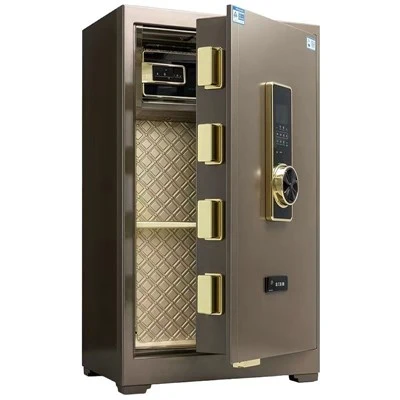
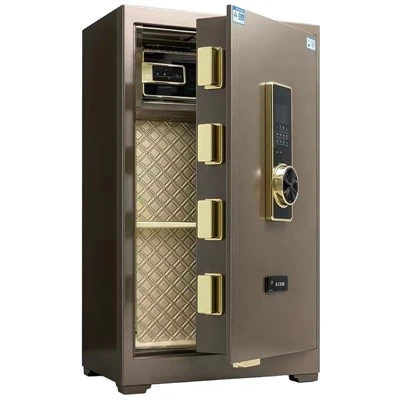
Now, let’s talk about access—this is where commercial safes differ the most from home safes. For retail, you don’t want to be fumbling with a bulky key or a combination dial when you have a line of customers waiting to pay. That’s why an Electronic Safe Box is usually the best pick for front-of-house or daily use. These let you set a numeric code, so you can punch it in in 2 seconds, no key needed, and they even let you change the code whenever you want (no more worrying if a former employee still has the combination). Some models even have keycard access, which is great if you have a manager who needs access only during certain shifts—you can deactivate their card when they leave, no need to rekey the whole safe. The downside? If the battery dies, you might get locked out, but most good ones have an override key, so that’s not a dealbreaker. If you’re storing really high-value stuff that only a few people need to access (like a nightly deposit drop), a combination dial or even a biometric safe (fingerprint access) could work, but for day-to-day retail, speed is key. You can’t hold up 10 customers because the safe is finicky.
Size matters too, and I see store owners get this wrong all the time. They buy a tiny safe that only holds a few hundred dollars in cash, and by the end of the week, they’re stuffing extra bills under the counter or in a drawer because the safe is full. Or they buy a huge, 500-pound safe that takes up half the stock room, which is overkill and a pain to move if you rearrange the store. The sweet spot for most small to mid-sized retail stores is a safe that’s 1 to 3 cubic feet. That’s enough to hold a week’s worth of cash, a stack of receipts, a few small high-value items like wallets or watches, and even a small laptop. If you’re a big-box store with daily deposits of tens of thousands of dollars, you’ll need something bigger, but for most small shops and boutiques, 2 cubic feet is the goldilocks size—big enough for what you need, not so big that it’s a hassle.
Wait, also, anchoring. I can’t stress this enough. A safe that’s just sitting on the floor is useless. Thieves will just roll it away into a van and pry it open at their leisure. All good commercial safes come with pre-drilled mounting holes, and you need to bolt it to the floor (or even a wall, if it’s heavy enough) with heavy-duty anchor bolts. For retail, I recommend bolting it to the concrete floor in a back room, not near the front door where someone can grab it quick. If you don’t have concrete, some safes come with floor plates that work with wooden floors too, but concrete is always stronger. I once worked with a café that skipped anchoring, and a drunk guy pushed the safe over overnight and tried to drag it out the back door. They caught him, but only because the safe was light enough to move—never skip anchoring.
Now, let’s address some edge cases. If you’re a grocery store with a lot of cash, you might want a safe with a cash drawer insert that lets you organize bills by denomination, so you can count deposits faster. If you’re a jewelry store with high-value items, you’ll want to look for a safe with relocking doors—these have a mechanism that locks the door tighter if someone tries to drill or pry it, making it almost impossible to open without the combination. And if you’re in a store that handles sensitive customer data (like a clothing boutique that keeps credit card receipts, or a bookstore that keeps customer orders), a safe that’s fireproof and waterproof will protect that data from being ruined in a disaster, which is just as important as protecting cash.
Wait, should you ever go for a general-purpose safe? Like, a safe that says it’s for office use? No, because those aren’t built for retail. They might be small, but they don’t have the UL ratings for burglary, or the fire resistance to handle store fires. That’s why I always point store owners to the Commercial Security Safe page on my site, because those are built specifically for retail needs—they have the right UL ratings, fire and water resistance, access options, and size. I also hear a lot of people ask about portable safes—don’t do it. Even a heavy portable safe can be carried off by two people, and they don’t have the same burglary ratings as a fixed safe. Retail stores need a safe that’s permanent, not something you can easily grab and go.
Let’s talk about mistakes I’ve seen store owners make, just so you can avoid them. First, buying the cheapest safe you can find. A $100 safe from a big box store? It’s not going to stop a determined thief—they’ll drill through the door in 2 minutes flat. You get what you pay for here, and a good commercial safe will last you 10+ years, which is way better than replacing a cheap one every couple years. Second, hiding the safe in a weird place. I’ve seen safes in stock rooms behind boxes, which is good, but I’ve also seen people hide them under counters where they’re easy to spot. Keep it somewhere it’s not obvious, but also easy for your staff to get to during the day. Third, not training your staff on how to use the safe. If you have an electronic safe, make sure every employee who needs access knows how to change the code, how to override it if the battery dies, and that they never leave the door open for someone else to grab cash. A safe is only as good as the people using it.
Now, let’s wrap this up. The best commercial security safe for retail stores isn’t a one-size-fits-all, but here’s my go-to recommendation for most store owners: a UL-listed Burglary Resistant (or at minimum RSC) safe, 1-3 cubic feet, with both fire resistance (1-hour rating at 1700°F) and water resistance, electronic access for quick daily use, and heavy-duty anchoring. If you’re storing higher-value items, bump up to a Tool Resistant rating and add a relocking door. If you’re in a super wet or fire-prone area, double down on those ratings.
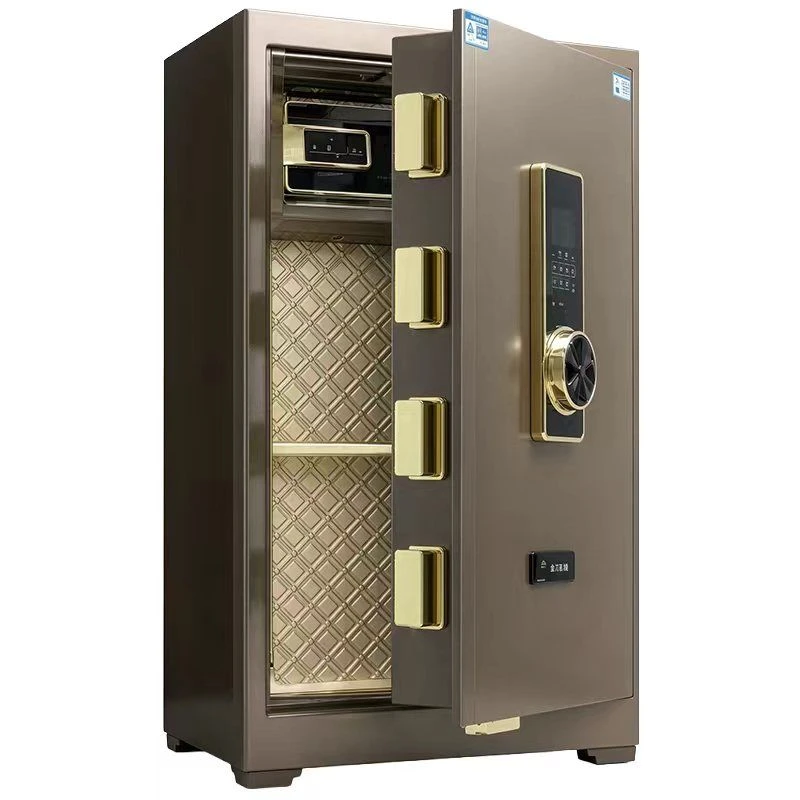
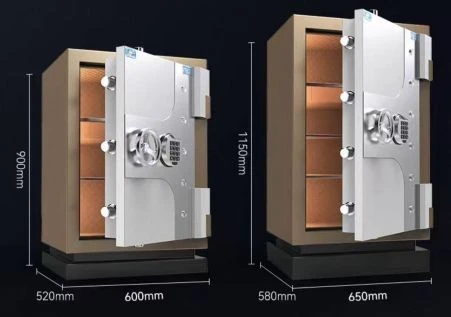
At the end of the day, your safe is a investment in your store’s peace of mind. It’s not just about stopping theft—it’s about protecting your hard-earned cash, your inventory, your customer data, and all the work you put into your business. If you’re not sure which size or rating is right for your specific store, feel free to reach out for a no-pressure chat. We can go over your store’s layout, your biggest risks, and find the perfect safe that fits your needs and budget. You can check out our full line of commercial safes, fireproof security options, waterproof units, electronic access boxes, and even home safes (though I’ll always steer you toward commercial for retail use) on our site.
Wait, before I go, let’s make sure I covered all the bases. You don’t need a fancy safe for a small neighborhood coffee shop that only holds a few hundred in cash a day, but you do need something that’s not flimsy. For a boutique clothing store with high-end accessories, you need something that can stop someone who’s willing to use a crowbar. And don’t forget—even if your store is in a safe area, disasters happen. A fire or pipe burst doesn’t care if you’re in a low-crime neighborhood.
If you’re ready to upgrade your store’s security, or just want to ask questions about specific models, get in touch. We’ve worked with hundreds of retail owners, so we know exactly what works (and what doesn’t) for different types of stores. Don’t wait until something goes wrong—take the step now to protect what’s yours.
References:
- Underwriters Laboratories. (2022). UL 687: Standard for Security Safe Units.
- National Fire Protection Association. (2021). NFPA 251: Standard for Methods of Tests of Fire Resistance of Building Construction and Materials.
- Retail Security Association. (2023). 2023 Retail Theft Trends Report.
- International Code Council. (2022). International Plumbing Code: Requirements for Flood and Pipe Failure Protection.