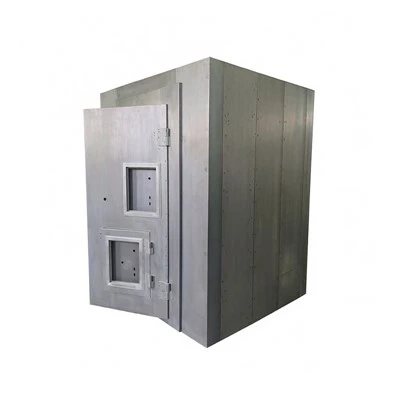
Hey there! If you’re in the market for a security safe for your business, you’ve probably heard the term “TL-rated” thrown around. Maybe you saw it on a product page, from a colleague, or even on a safe at a trade show—and thought, “What does that even mean? Is it better than the regular safe I have at home?” As a commercial security safe supplier who’s been in this game for over a decade, I get it. Most folks don’t dive deep into the rating system until they’re panicking about protecting critical business stuff—like client records, cash, or expensive equipment. Today, I’m breaking down exactly what a TL-rated commercial security safe is, why it matters for your business, and how it stacks up to other options you might be considering.
First off, let’s skip the jargon that makes your eyes glaze over. TL stands for “Torch & Locksmith,” right? Wait, no—actually, it’s Tool Resistance Level. That’s the official term from Underwriters Laboratories (UL), the non-profit that tests all kinds of safety and security products in the U.S. and Canada. TL ratings aren’t just random numbers; they’re a standardized test that measures how well a safe stands up to forced entry with common tools. Think bolt cutters, sledgehammers, crowbars, and even a cutting torch. For commercial use, this rating is non-negotiable—regular home safes don’t have to pass anywhere near the same rigorous tests.
Let me explain the testing process because that’s where the TL rating actually means something. UL takes a safe and locks it in a test lab, then gives attackers (well, test operators) 15 minutes to break into it. Those operators use real tools that a professional thief would grab: a pry bar, a sledgehammer, a 12-inch bolt cutter, and a cutting torch with oxy-acetylene fuel. The goal? See if they can get to the contents inside in that time. If they can’t, the safe earns a TL rating. The “TL” is followed by a number, like TL-15, TL-30, or even higher. That number is how many minutes the safe can resist entry. A TL-15 means it can hold off tools for 15 minutes; a TL-30 is double that.
Now, why does this matter for commercial businesses? Let’s say you run a small accounting firm. You’ve got client tax docs, payroll checks, and maybe a little cash for petty expenses. A regular home security safe might look sturdy, but it won’t stop a thief with a crowbar for more than 30 seconds. A TL-rated safe? It’s built for that exact scenario. Thieves target businesses because they know there’s often valuable stuff inside, and they’re more likely to use tools instead of brute force (or at least bring both). I’ve had so many clients come to me after a break-in where their old safe was sliced open with a torch in two minutes—they’d cut corners on security and regretted it. A TL-rated safe would have turned that two-minute heist into a 15-minute (or longer) job, which is way too much time for a thief to stick around.
Wait, but what about other features? I hear that all the time. “Do I need a TL-rated safe if I have a waterproof security safe?” No, and actually, you can get both in one package. Waterproof safes are great for protecting contents from floods or spilled liquids, but without a TL rating, they’re not designed to stop forced entry. It’s about layers. For example, a restaurant might need a safe that’s fireproof (for receipts and employee records), has a mechanical combination safe lock (so you don’t have to worry about dead batteries), and is TL-rated to stop someone from breaking in during the night to grab the daily cash deposits.
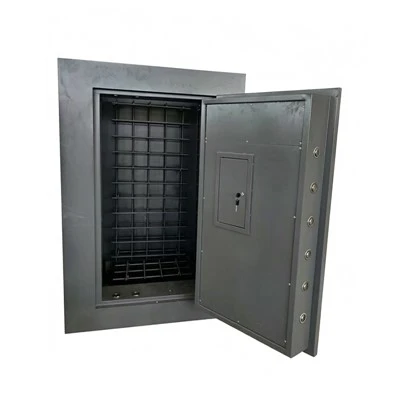
Let’s talk about the differences between TL ratings because not all TL-rated safes are the same. A TL-15 is the entry point for commercial use. It’s perfect for small businesses, retail shops, or offices that hold moderate-value items. The safe’s body is thicker—usually 1.5 inches of solid steel on the door, 1 inch on the body—compared to a home security safe, which might be ¼ inch thick. It also has reinforced locking bolts (usually 1-inch steel bolts that extend deep into the safe’s frame) that make it almost impossible to pry open. On the other end, a TL-30 is built for higher-value businesses: jewelry stores, law firms with confidential client files, or companies that keep large amounts of cash or expensive equipment on site. That one has even thicker steel—2 inches on the door, 1.5 inches on the body—and the test operators have 30 minutes to break in, so it’s way more robust.
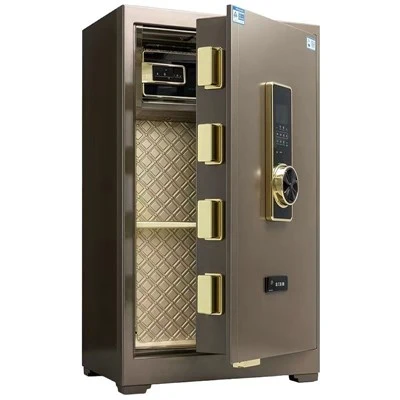
I also get asked all the time: can I use a fingerprint security safe for commercial use? Fingerprint safes are super convenient—no more fumbling with keys or remembering combinations—but most of them aren’t TL-rated. That’s not a knock on fingerprint tech; it’s just that commercial environments need that tool resistance. If you have a receptionist who needs access to the petty cash, a fingerprint safe is quick for them, but if a thief pries it open, that convenience doesn’t matter. Some companies actually combine both: a commercial safe with a fingerprint keypad (for easy access) that’s also TL-rated. That’s the best of both worlds—convenience and security.
Another common question: is a mechanical combination safe better than an electronic one for TL-rated models? Mechanical locks are simpler—they use dials that you turn to a specific sequence, no batteries, no digital parts that can fail. For TL-rated safes, mechanical locks are actually more common in commercial settings because they’re more reliable long-term. I’ve seen electronic locks on safes die right when you need them most—dead batteries, a glitch in the circuit board—leaving you locked out of your own valuables. A mechanical combination safe, though, has been tested to work for decades without any power source. That’s a big plus for businesses that can’t afford downtime or lockouts.
Now, let’s get real about what a TL-rated safe isn’t. It’s not bulletproof (though some higher-rated safes have ballistic resistance, but that’s more specialized), and it’s not fireproof. Wait, hold on—fireproof is a whole other rating system, right? UL has separate ratings for fire resistance, like 1-hour or 2-hour fireproof safes. But you can absolutely get a TL-rated and fireproof security safe. That’s a huge win for businesses that need to protect against both theft and fire—like a real estate office with property deeds or a doctor’s office with patient medical records. The fireproof rating means it can keep the inside at a safe temperature (below 350°F, which is what keeps paper from burning) for a set time, and the TL rating keeps thieves out.
Let me share a quick story—one of my clients, a small auto parts store, came to me a few years ago. They had a basic home security safe they’d moved from their garage to the office, and one night, a thief broke in through a side window, grabbed the safe, and dragged it out back. They pried the door open in less than a minute. The thief got away with $800 in cash, which was the petty cash for suppliers. We recommended a TL-15 safe, paired with a fireproof security safe because they also kept old maintenance records that could get destroyed in a fire. Six months later, someone tried breaking in again—this time, they spent 18 minutes trying to get into the TL-15 safe and gave up. The store didn’t lose any money, and that peace of mind? Priceless.
You might be thinking, “Okay, TL-rated sounds good, but is it worth the cost?” I get that commercial budgets are tight, but think about what you’re protecting. If your business gets targeted, a non-TL safe is like leaving your front door unlocked with a “come on in” sign. The cost of a TL-rated safe is way less than the loss of cash, client trust, or critical documents if there’s a break-in. Also, a lot of insurance companies offer discounts if you have a UL-rated security safe because it reduces the risk of theft. That’s a quick way to offset the cost.
Wait, let’s clear up a myth: some people think that heavy safes are automatically TL-rated. That’s not true. You could have a 500-pound safe that’s just a thick metal box with a cheap lock, and it won’t pass the TL test. The UL test checks every part: the steel thickness, the locking bolts, the door design, even how the safe is anchored to the floor. Anchor points are a big part too—TL-rated safes have pre-drilled holes for anchoring to concrete floors, so you can’t just pick it up and haul it away like a regular safe. I always tell my commercial clients to make sure their safe is anchored; otherwise, a thief might just carry it off and work on breaking it open at their own shop.
So, how do you pick the right TL-rated commercial safe for your business? Start with what you’re storing. If it’s small items like petty cash or keys, a TL-15 might be enough. If you’re dealing with high-value items—like fine art, expensive jewelry, or confidential legal files—go for a TL-30. Think about how many people need access, too: if it’s a team of managers, maybe a safe with a digital lock that has user codes (just make sure it’s still TL-rated) is better than a mechanical dial. Don’t forget other features you might need, like waterproofing if your office is in a flood zone, or fireproofing if you’re in a high-risk area for wildfires or building fires.
At the end of the day, a TL-rated commercial security safe isn’t just a product—it’s an investment in your business. It’s the difference between brushing off a break-in attempt and losing money, clients, or valuable assets. If you’re ready to find the right safe for your needs, from TL-rated models to specialized options like a Waterproof Security Safe or a Fireproof Security Safe, or even convenient options like a Fingerprint Security Safe or a Mechanical Combination Safe, don’t hesitate to reach out. We can help you figure out exactly what fits your business, no sales pressure—just real advice from someone who’s been in this field for years. You can also check out our Home Security Safe options if you need something for your personal space too, but our focus is always on commercial security that works for your business.
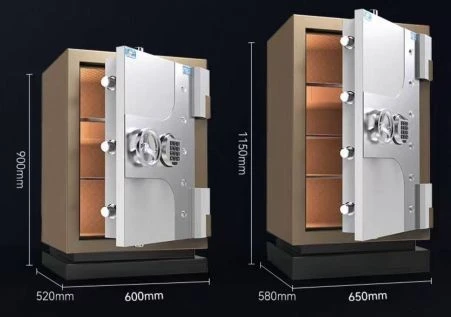
Before I wrap up, let me make sure I didn’t miss anything. TL-rated = UL-tested for tool resistance, time is key (15 vs 30 minutes), it’s for commercial use, it works alongside other features like fireproof or waterproof, and it’s a smart investment for protecting what matters most. If you’re still confused about which one to get, feel free to connect with our team for a free consultation—we’ll walk you through every detail so you don’t have to guess. No more settling for a safe that looks good but doesn’t do the job. Your business deserves the kind of security that actually stands up to thieves, and that’s exactly what a TL-rated commercial security safe delivers.
References
Underwriters Laboratories. (n.d.). Standard for Security Safes (UL 687). Retrieved from ul.com
National Fire Protection Association. (n.d.). Standard for Fire Tests of Safe Containers (NFPA 250). Retrieved from nfpa.org
Security Industry Association. (n.d.). Commercial Security Best Practices for Safes. Retrieved from siaonline.org