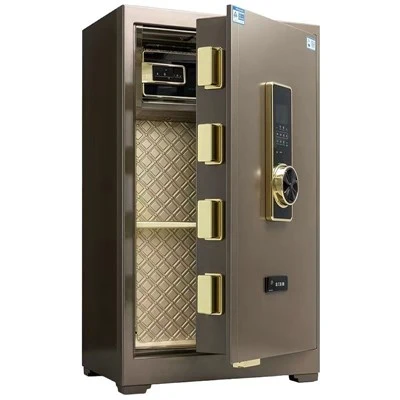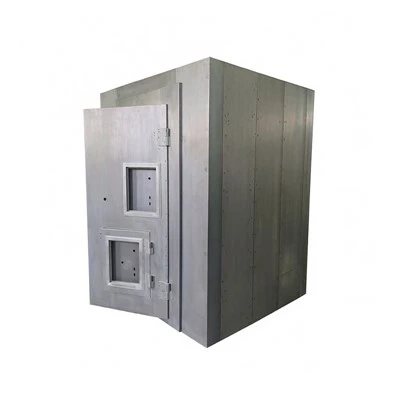
Let’s cut to the chase—if you own (or rely on) a fireproof security safe, you’re not just storing old tax forms or a spare house key. That safe holds stuff that matters: family heirlooms, critical business docs, maybe even a stack of cash for emergencies. But here’s the thing I hear all the time working as a safe supplier: people buy a fireproof security safe and then forget it exists until they need it. No wonder so many end up useless when a fire actually hits.
Wait, let’s back up. I’m not just pulling this out of thin air—I’ve been selling these bad boys for 8 years, and I’ve seen what happens when someone skips testing. Last year, a small business owner came to me panicking because his office safe (the one he bought from a guy at a hardware store) failed a fire test. He had client contracts he needed for a audit, and half were charred beyond readability. He asked, “How often am I supposed to check this thing? I thought fireproof means it’s good forever.”
Spoiler: It doesn’t. Fireproof safes aren’t set-it-and-forget-it items. Their insulation can break down over time, gaskets get crumbly, locks seize up, and if you’re not testing, you might as well be storing your stuff in a shoebox.
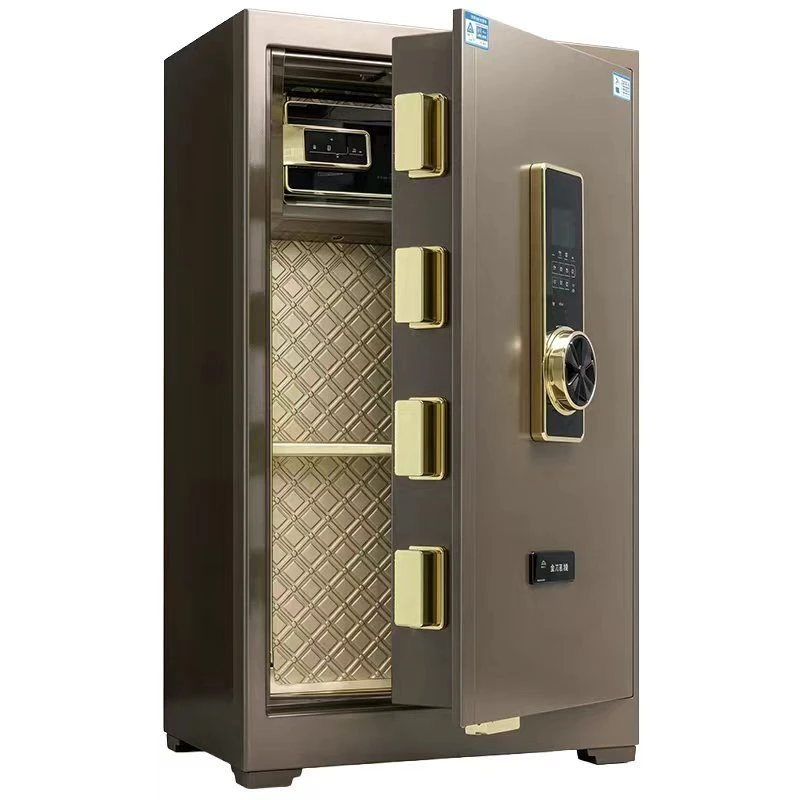
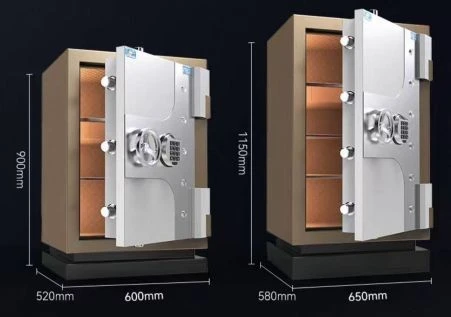
So let’s get to the real question: How often should you test your fireproof security safe?
First, let’s split this into two categories—home safes and commercial safes, because those are the two biggest groups I sell to. If you’re a homeowner, testing this safe’s performance is way different than if you’re a retail owner or run an LLC that stores payroll or customer data.
For home users: I say test it twice a year. Once in the spring, once in the fall. Why those times? They’re seasonal, so you’ll remember (no one’s ever forgotten a spring cleanup or fall holiday prep). Wait, but what exactly are you testing? A lot of people think “testing” means opening it and shutting it, but that’s not enough. Let’s break down the steps I give every customer when they pick up a safe from my shop (or order online, for that matter).
When you test your home fireproof safe, do three things: 1) Check the door gasket. That’s the soft rubber strip that lines the inside of the door. Run your finger along it—if it’s cracked, crumbly, or has chunks missing, it won’t seal shut when a fire hits. 2) Test the lock mechanism. Whether you have a basic electronic safe box or a mechanical combination safe, spin the dial (or punch the code) a few times. If it sticks, or the code isn’t registering, that’s a problem. And 3) Simulate a seal test. Close the door and push hard all around the edges—if there’s a gap, that’s where smoke or heat will get in during a fire.
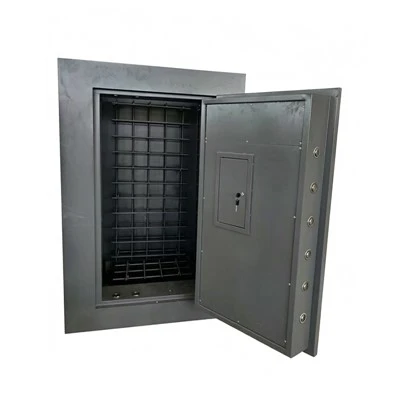
Now, commercial safes? Those get tested way more often. I tell business owners to do a quick check every month and a full, professional test once a year. Why? Because commercial safes get used way more—employees are opening and closing them all day, heavy items might be stacked against them, and fire codes actually require regular testing for businesses (surprise! OSHA and NFPA have rules about this). Also, if you’re storing things like cash or client IDs, a failure here isn’t just a hassle—it’s a legal headache.
Wait, but hold on—some of you might be thinking, “I have other safes, like a waterproof security safe for boats, so does that testing schedule apply?” Nah, fireproof safes have unique parts that wear out different. The waterproof one on your boat deals with water damage, not heat, so its testing is way less frequent. The mechanical combination safe you keep in your bedroom? Same as home schedule—twice a year.
But why can’t I just test once every few years? Let me explain why that’s a bad idea. A friend of mine who’s a fire inspector in Chicago told me he responds to at least 10 calls a year where a safe failed because the insulation had eroded over 5 years of being exposed to extreme temperature swings (like sitting in a garage that hits 100°F in summer and 0°F in winter). The gaskets dry out and crack, the fireproof materials inside break down, and before you know it, a small kitchen fire could turn your birth certificate into ash.
Wait, but what if I have a brand new fireproof security safe? Do I still need to test it? Hell yes. I’ve had customers bring in brand new safes I sold them that had a defect—like a door that didn’t align right, so there was a gap. They never checked it because it was “new.” That’s why right when you get a safe (whether it’s a fireproof security safe, a commercial security safe for your store, or something else), test it immediately. Don’t wait until a fire happens.
Let me also bust a myth here: Some people think “fireproof” means it can survive any fire. No. The rating matters. When you buy a safe, it has a UL rating—like 30 minutes, 60 minutes, etc. That’s how long it can stay below 350°F (the temperature where paper starts to char) during a fire. But if you don’t test it, even a UL 1-hour safe could only hold up for 20 minutes because the seal is bad. So testing isn’t just for wear and tear—it’s to make sure the rating the manufacturer promised is still valid.
Now, let’s talk about signs that your safe needs immediate testing, no matter what your schedule is. First, if you dropped it (even a little—like moving it to clean under it and bumping the door on a counter). Second, if you had a flood nearby (even if the safe didn’t get wet, humidity can mess with the gaskets). Third, if you haven’t opened it in more than a year—yeah, I’ve seen safes that were closed for two years, and when someone finally tried, the lock was so seized they had to call a locksmith. That’s preventable.
Wait, what about professional testing? Is that necessary? For home users, maybe not every year, but if you have a really valuable safe (like a UL 2-hour commercial one you keep at home), get a pro to check it every 3 years. For commercial users, it’s not optional—many local fire departments offer free or low-cost safe testing as part of fire safety inspections. I always tell my commercial customers to schedule that when they do their annual fire drill.
Let’s also go back to the different types of safes I mentioned earlier, because testing can change a tiny bit. If you have an electronic safe box, don’t just test the code—change the backup battery while you’re at it. Dead batteries are the #1 reason electronic safes won’t open when you need them. For a mechanical combination safe, make sure you write down the combo somewhere safe (not in the safe!) and test it with that combo to make sure you didn’t forget it over time. And for a waterproof security safe—wait, I mentioned that earlier, but just to clarify, those are for water damage, so their testing is more about checking for leaks, not fire resistance.
Now, I know some of you are rolling your eyes like, “This is a lot of work.” But here’s the thing: The stuff you store in that safe is irreplaceable. I once had a customer who lost all his family’s old photos in a house fire because his safe wasn’t tested. He told me, “I would’ve paid $100 for a test before that fire.” That’s the thing—testing isn’t a chore, it’s an investment in protecting what matters.
Wait, let’s do a quick recap to make this easy, because no one wants to memorize a long list. Here’s the cheat sheet I give all my customers:
- Home fireproof security safe: Test twice a year (spring/fall). Full check of gasket, lock, seal.
- Commercial fireproof security safe: Quick check every month, full professional test once a year.
- Any other safe (mechanical combination safe, electronic safe box, waterproof security safe): Adjust to the same schedule as above, just focus on the parts specific to that safe (locks for combo/electronic, seals for waterproof).
And before I wrap up, let me address one last question: Where do I get a reliable fireproof security safe that’s actually tested when it leaves the factory? Well, we sell them right here—check out our fireproof security safe page for all the models with UL ratings. We also have waterproof security safe options for water-prone areas, mechanical combination safe picks for people who don’t trust electronics, electronic safe box models for quick access, and commercial security safes built for business needs.
If you’re not sure which safe is right for your testing schedule (or if you need help figuring out how to test the one you have), hit us up. We don’t do pushy sales—we’ve been in this business long enough to know that a good safe is one that works when you need it, not just looks good in your closet.
Don’t wait until it’s too late. A quick 10-minute test twice a year could save you from losing everything you care about.
References: National Fire Protection Association (NFPA) 80, Standard for Fire Doors and Other Opening Protectives; Underwriters Laboratories (UL) Fire Resistance Ratings for Safes; U.S. Small Business Administration (SBA) Fire Safety Guidelines for Commercial Properties.